
| 3 Comments | Recypa India
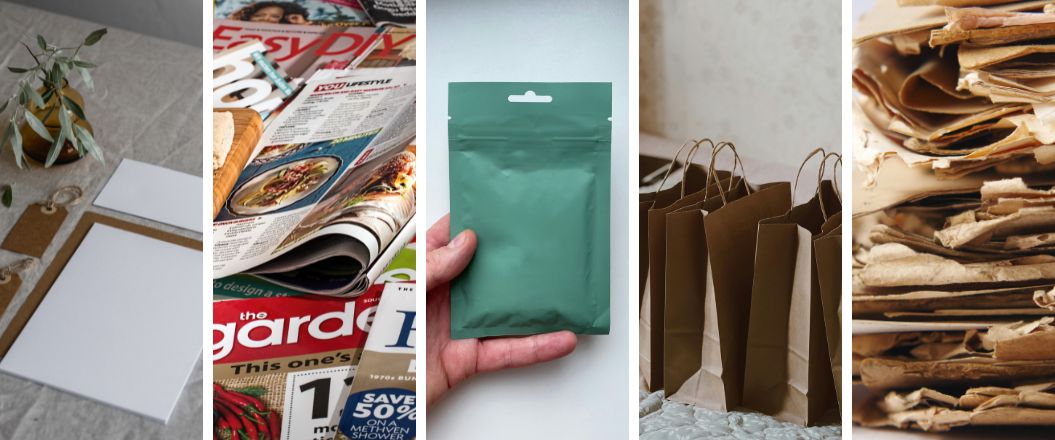
In today’s world, sustainability and recycling are more important than ever. One of the most widely recycled materials across industries is paper — but not all paper is the same. To ensure efficient recycling and better-quality end products, waste paper is categorized into different grades based on its composition, cleanliness, and intended use.
If you’ve ever wondered what these grades mean or why they matter, this article breaks it down for you.
What Are Waste Paper Grades?
The term “waste paper grades” refers to the classification of paper based on its fiber quality, ink content, and recyclability. These grades help recycling companies, paper mills, and waste management facilities determine the best way to process each type of paper.
The Paper Stock Industries (PSI) — part of the Institute of Scrap Recycling Industries (ISRI) — has standardized these grades internationally, ensuring a uniform system across the globe.
Major Grades of Waste Paper
Let’s look at the most common categories and their characteristics.
1. High-Grade Paper
Examples: Office paper, computer printouts, letterheads, white ledger paper, copier sheets.
- Description: This is clean, high-quality paper with minimal ink or contaminants. It usually comes from offices and printing presses.
- Recycling Use: High-grade paper is ideal for producing new printing and writing paper.
- Value: High, due to strong, long fibers and low contamination.
2. Medium-Grade Paper
Examples: Magazines, catalogs, colored paper, and some printed materials.
- Description: These papers contain moderate amounts of ink, coatings, or dyes. They are less pure than high-grade but still recyclable.
- Recycling Use: Often used to make tissues, newsprint, or cardboard.
- Value: Moderate, as de-inking and cleaning are required before reuse.
3. Low-Grade Paper
Examples: Newspapers, corrugated boxes, packaging paper, and mixed office waste.
- Description: This category includes paper that’s heavily printed or mixed with other materials. It may also have adhesives, staples, or tape residues.
- Recycling Use: Commonly recycled into low-grade products like cardboard, carton board, or molded packaging.
- Value: Low to medium, depending on cleanliness and fiber length.
4. Brown Grades (Corrugated & Kraft Paper)
Examples: Old corrugated cartons (OCC), kraft wrapping paper, paper bags.
- Description: These are strong brown fibers, typically from packaging materials. Corrugated boxes are the most common source.
- Recycling Use: Used to produce new cardboard, packaging materials, and paperboard.
- Value: High demand due to growing e-commerce packaging needs.
5. Specialized or Contaminated Grades
Examples: Tissue paper, wax-coated paper, laminated paper, carbon paper.
- Description: These contain coatings, food waste, or plastic films that make recycling difficult.
- Recycling Use: Often not recyclable through regular paper systems; may go for energy recovery or special treatment.
- Value: Low or negligible, depending on local recycling capabilities.
Why Grades Matter in Paper Recycling
Sorting waste paper correctly improves recycling efficiency and product quality. Here’s why grading is crucial:
- Better Resource Use: Higher grades yield stronger fibers for reuse.
- Cost Efficiency: Proper sorting reduces cleaning and processing costs.
- Environmental Benefits: Minimizes waste ending up in landfills.
- Product Quality: Ensures recycled paper meets market standards for brightness, texture, and strength.
The Future of Paper Recycling
With increasing awareness about environmental conservation, the paper recycling industry is evolving rapidly. Modern sorting technologies, AI-based scanners, and cleaner collection systems are helping improve recovery rates and purity levels. Businesses and consumers alike play a vital role by keeping paper waste clean and properly separated at the source.
Final Thoughts
Understanding the different grades of waste paper helps not only recycling professionals but also anyone looking to contribute to a greener planet. By properly sorting and disposing of paper waste, you help ensure that valuable fibers get a new life — reducing pollution, saving trees, and supporting a circular economy.
Did you know?
Every ton of recycled paper saves 17 trees, 7,000 gallons of water, and enough energy to power a home for six months!